HOW IT WORKS
How Spray-Injection Pothole Repair Works
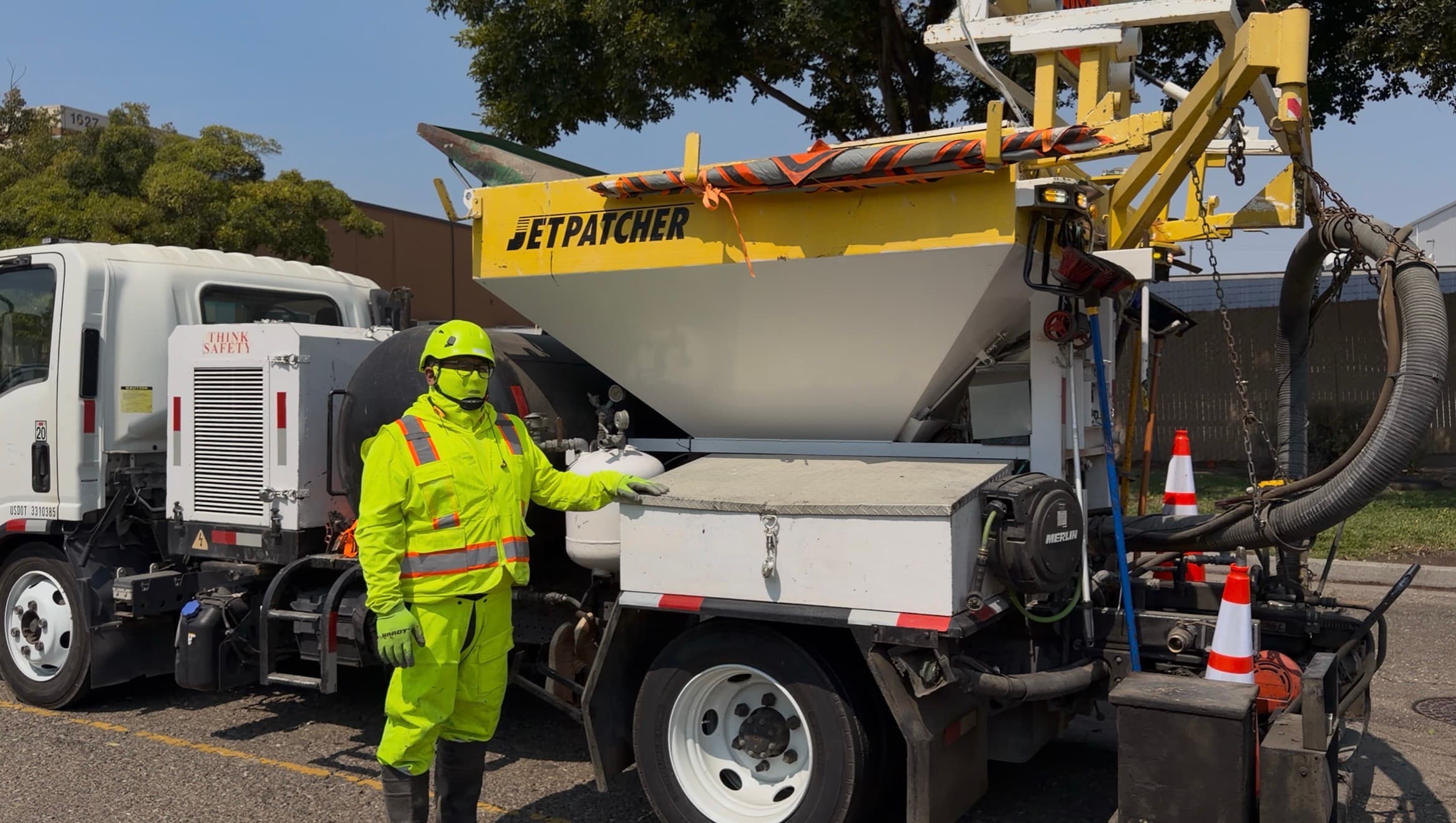
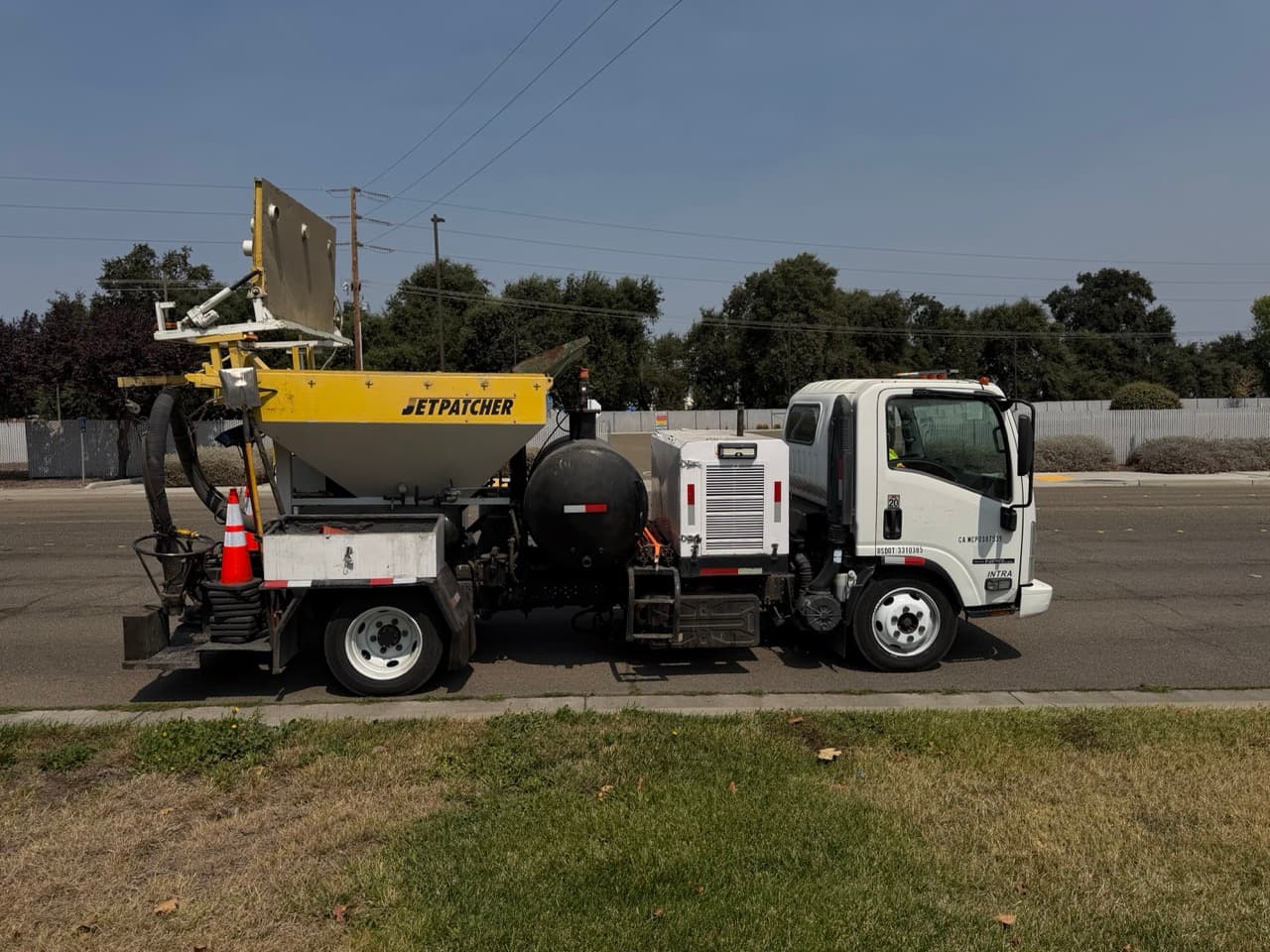
Spray-injection patching repairs pavement defects with a single machine and a single operator. There is no hot mix to haul, no compaction equipment, and no waiting for the repair to cure before opening the lane.
The Equipment
Single-Operator Design
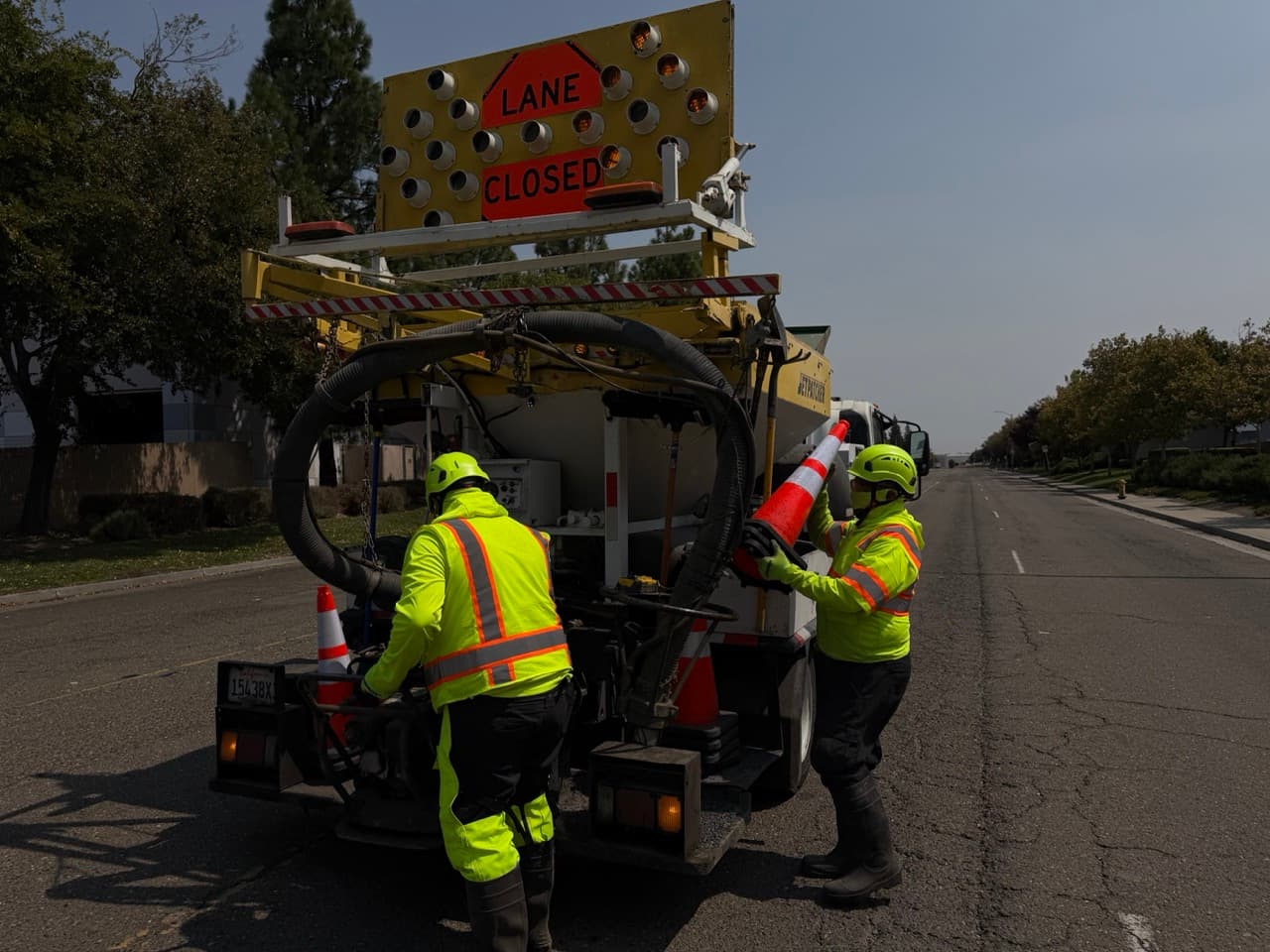
One person performs the entire repair from the truck.
Self-Contained Unit
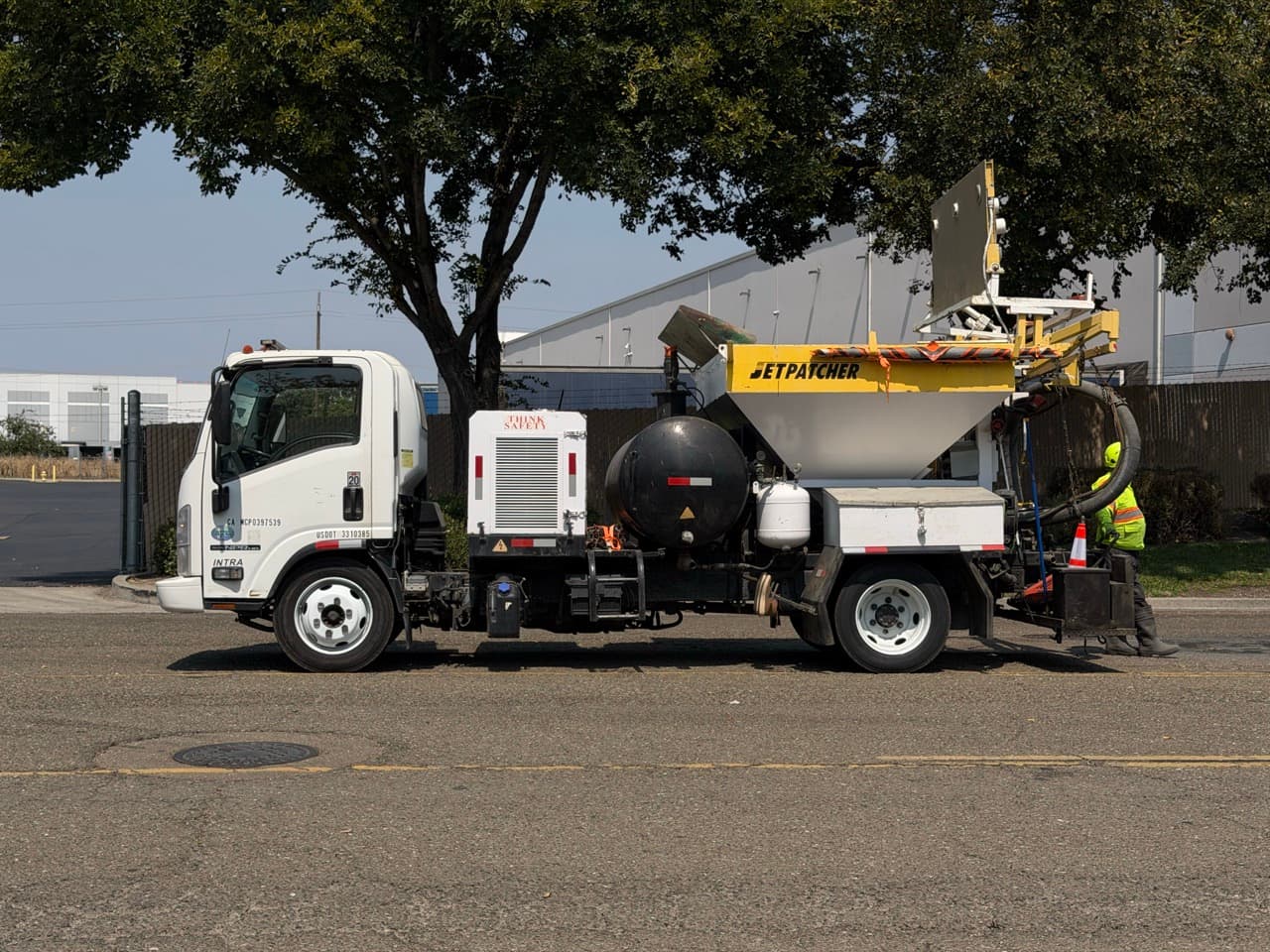
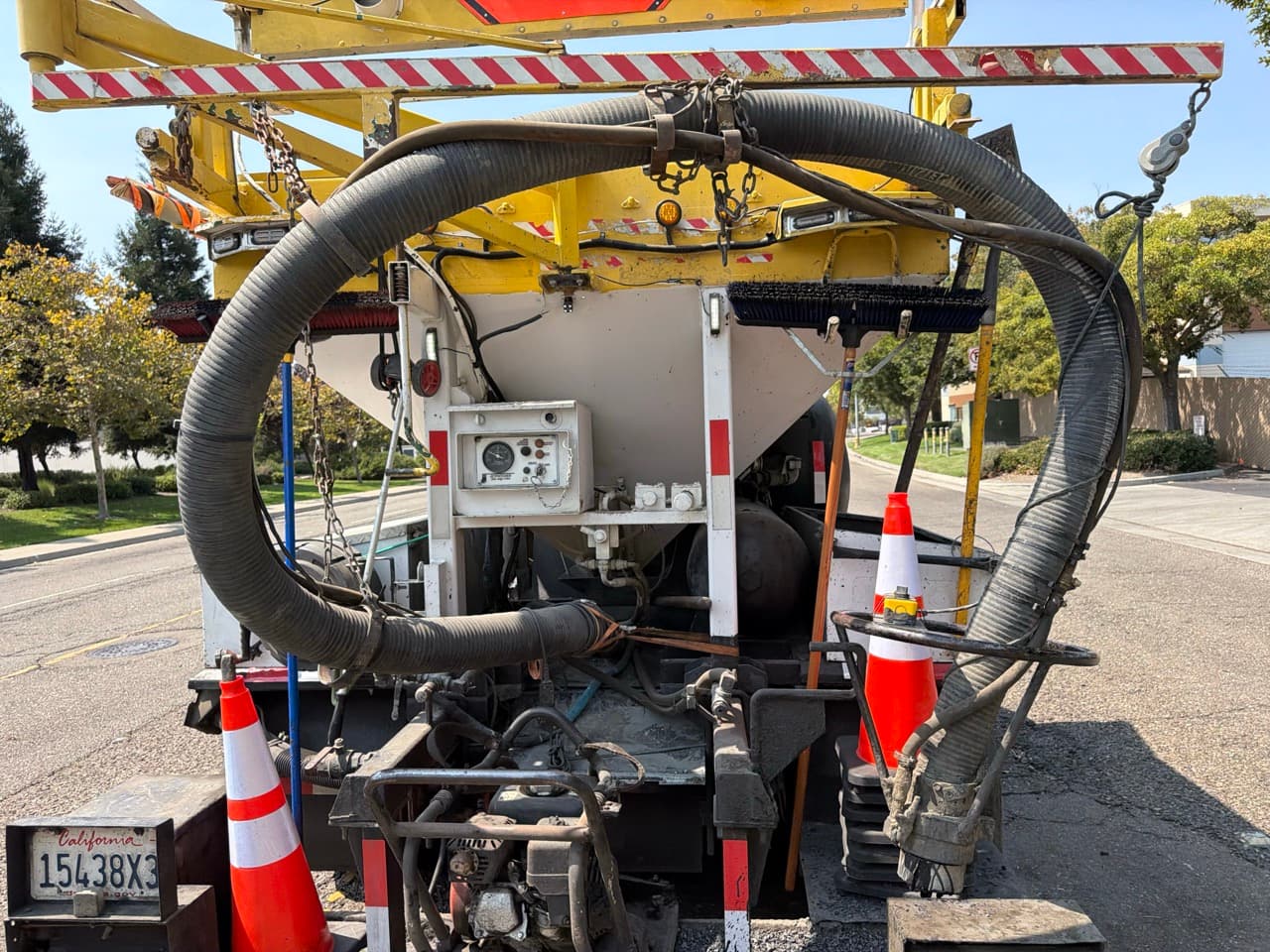
Aggregate, emulsion, and air supply are all carried on the truck.
Compact Footprint
The truck works in a single lane and reaches confined areas.
Cold-Applied
No heating plant, no hot-mix delivery, no cure time.
- Operating crew
- One operator
- Traffic control
- Staffed to agency requirements
The Four Steps
The same sequence on every repair, step by step.
Step 01
Clean
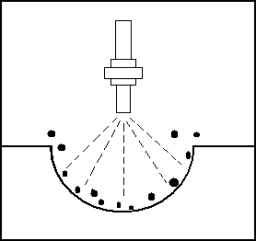
High-pressure air removes water and debris from the defect, reaching into cracks and edges a broom or blower would miss.
Cleaning the pothole down to sound pavement gives the tack coat and aggregate a clean surface to bond to. This step also dries the defect, which is part of why the process does not depend on hot-mix temperatures.
Step 02
Tack Coat
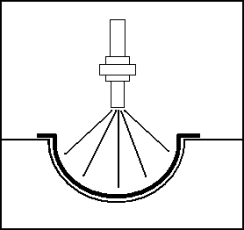
Emulsion coats the defect to bond the repair to the surrounding pavement.
The emulsion is water-based and applied cold, so there is no on-site heating step. A thin, even coat is enough to create the bond the aggregate needs to hold.
Step 03
Inject and Compact
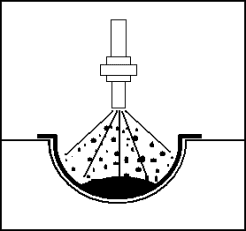
Aggregate coated in emulsion is injected into the defect at high velocity.
Compaction happens during injection, from the bottom of the repair upward, so there is no separate rolling step. The result is a dense repair built in one continuous pass.
Step 04
Seal and Open
A dry aggregate layer seals the surface of the finished repair.
Because compaction already happened during injection, there is no cure or cooling period to wait through. Traffic can drive over the repair immediately.
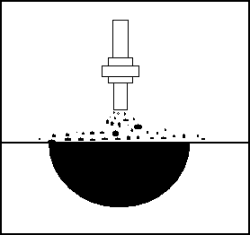
Spray-injection patching is a pothole repair method that cleans the defect with high-pressure air, coats it with asphalt emulsion, and injects emulsion-coated aggregate at high velocity. Compaction occurs during injection, so the repair needs no roller, no hot mix, and no cure time. It is used by public works departments across the United States for potholes, utility cuts, pavement edge failures, and alligatored areas.
A Few More Details
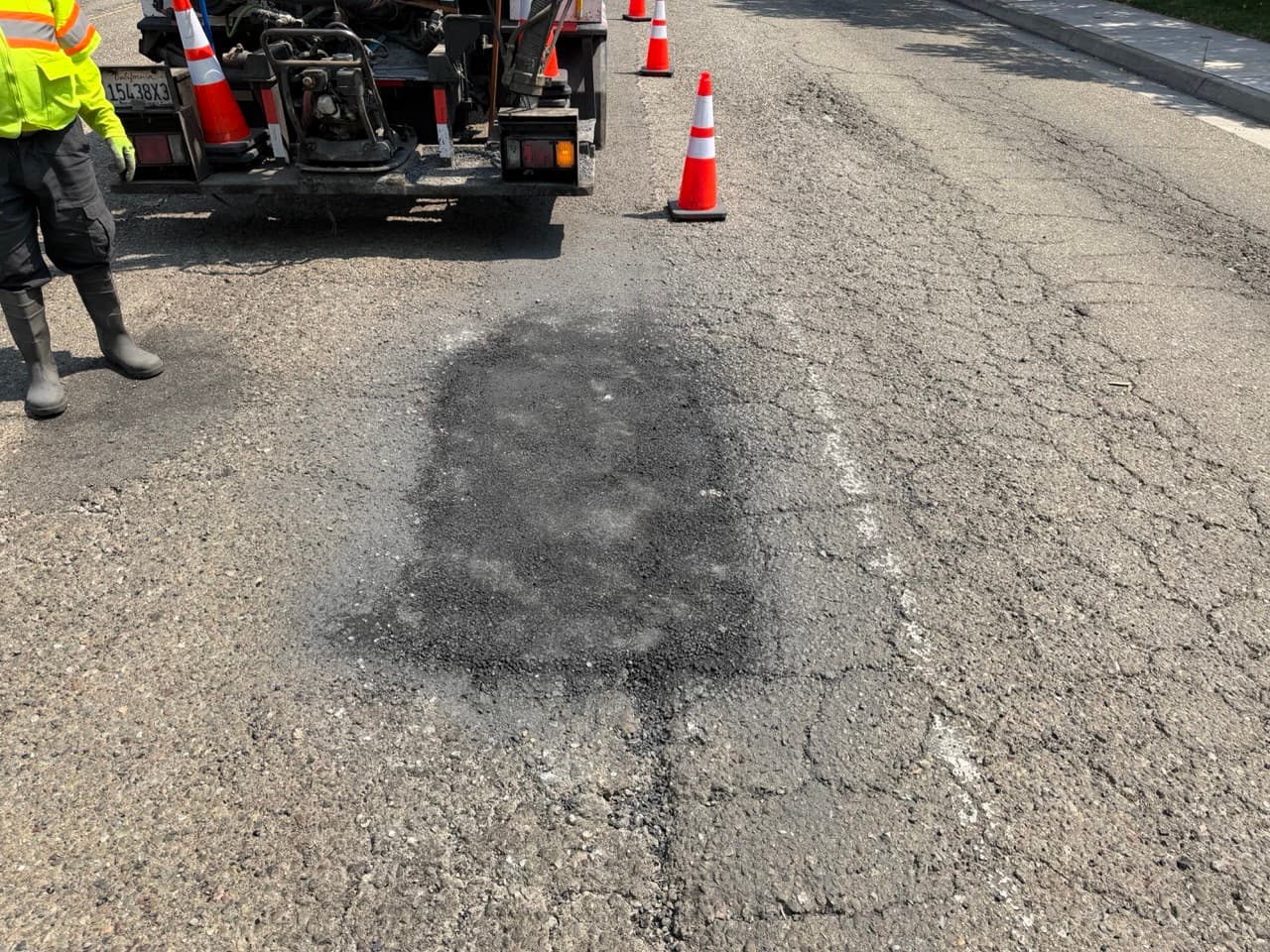
Compaction Without a Roller
Because aggregate is injected at high velocity, the repair compacts from the bottom of the defect upward as it fills. The result is a dense repair without a separate rolling step. This is why the lane can reopen immediately.
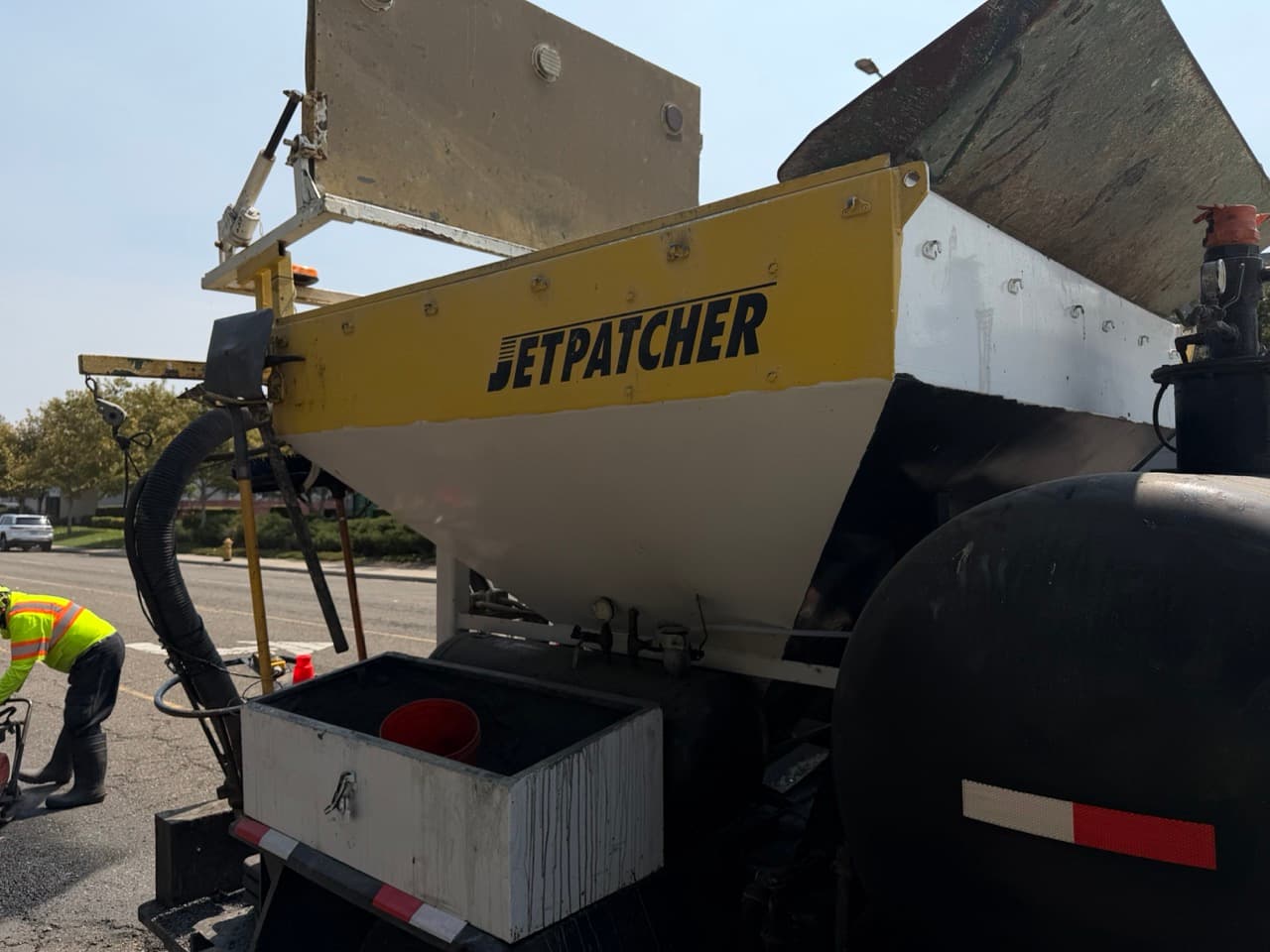
Materials
Each repair uses three materials: aggregate, asphalt emulsion, and tack oil. The emulsion is water-based and applied cold.
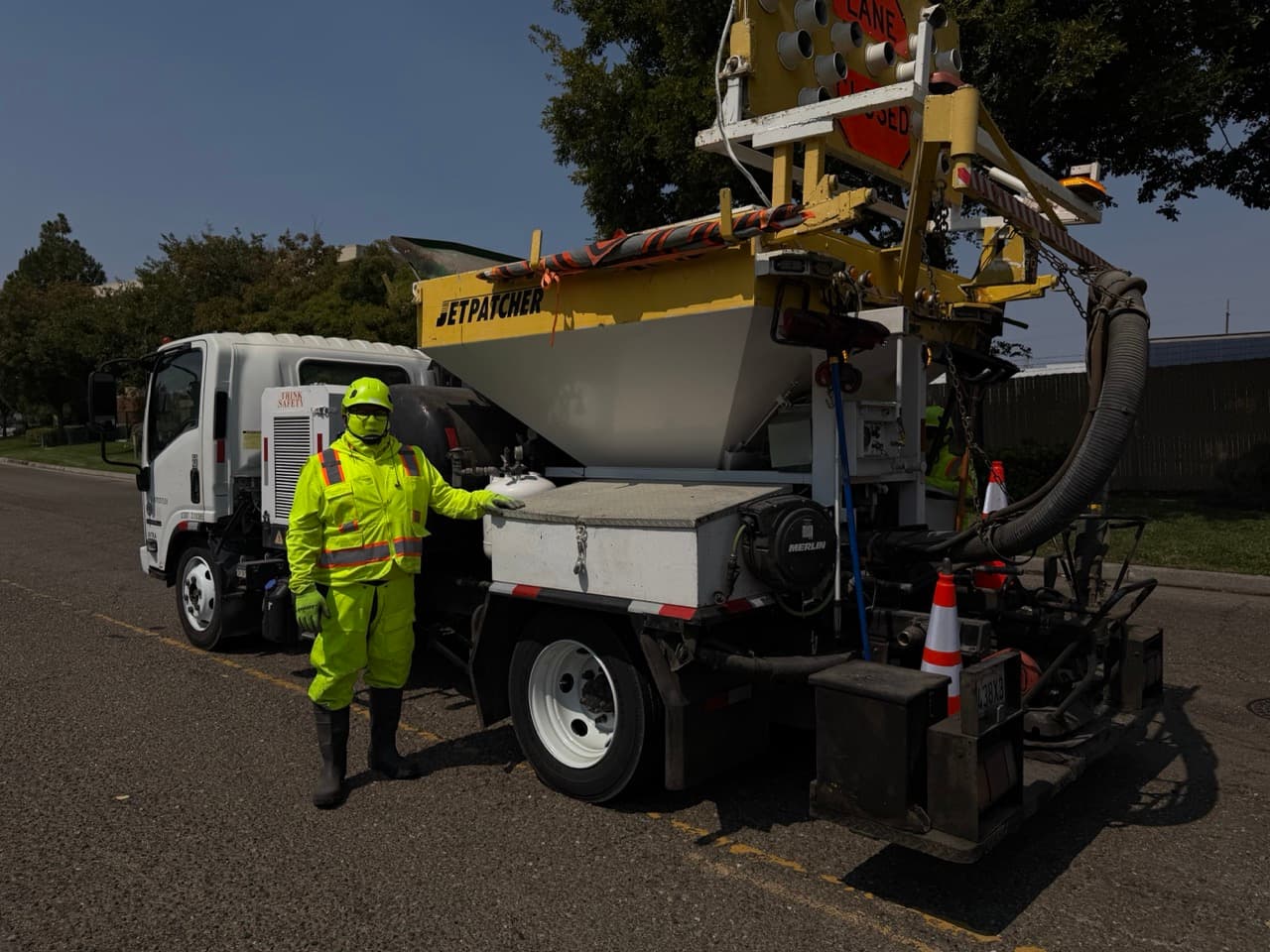
Traffic Control
Work is performed under MUTCD-compliant traffic control, staffed to each agency’s requirements.
Environmental Notes
The process is cold-applied with a water-based emulsion. There is no hot-mix heating on site, and material is metered per repair, which keeps waste to a minimum.